
What is Motor Torque?
Motor torque is the foundational performance metric that dictates a motor's ability to drive mechanical loads, and it's a make-or-break factor when selecting motors for applications from robotics to industrial automation. Whether you're looking for a compact Micro Metal Gearmotor or a heavy-duty 12v Dc Gear Motor High Torque, understanding torque and how gear systems boost it is key to choosing the right motor for your needs. Below, we break down the core definition of motor torque and the value of high-torque geared DC motors in simple, straightforward terms.
1. The Definition of Motor Torque
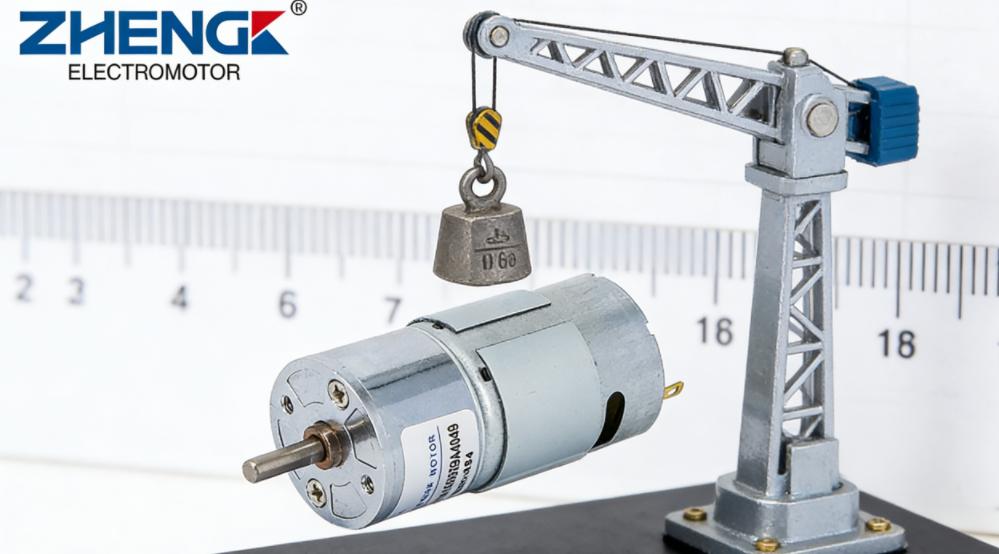
Think of torque as the force you apply with a wrench. A longer wrench makes it easier to turn a stubborn bolt. In technical terms, it's the product of the force applied and the distance from the rotational axis. For any application where a motor must push, pull, or lift a load, torque is the most critical performance metric. Insufficient torque means the motor will stall; having more than required ensures reliable operation under variable conditions and extends the motor's lifespan.
2. High-Torque Geared DC Motors
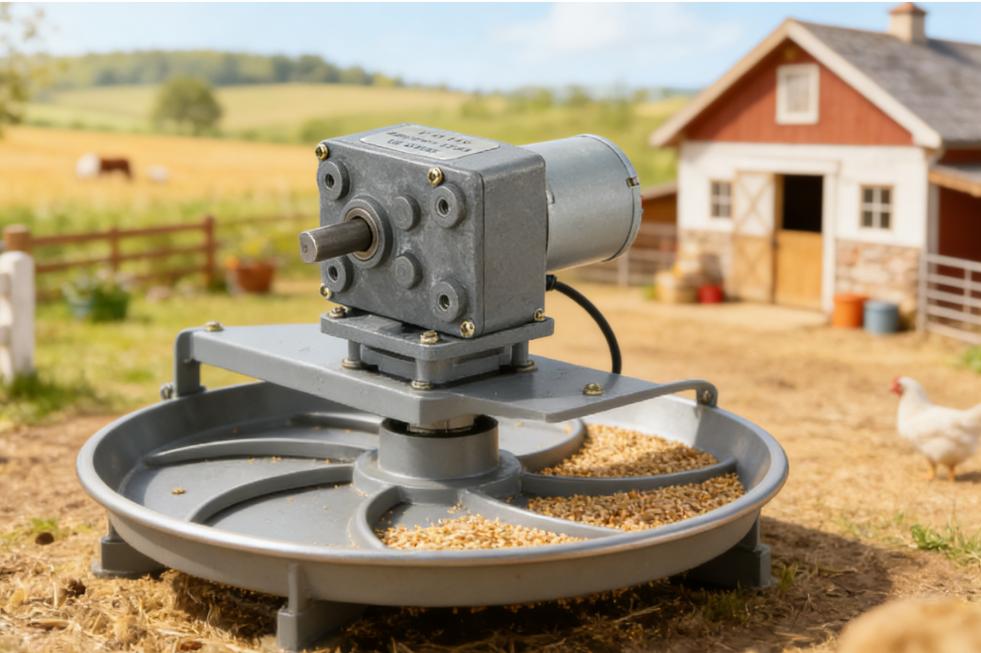
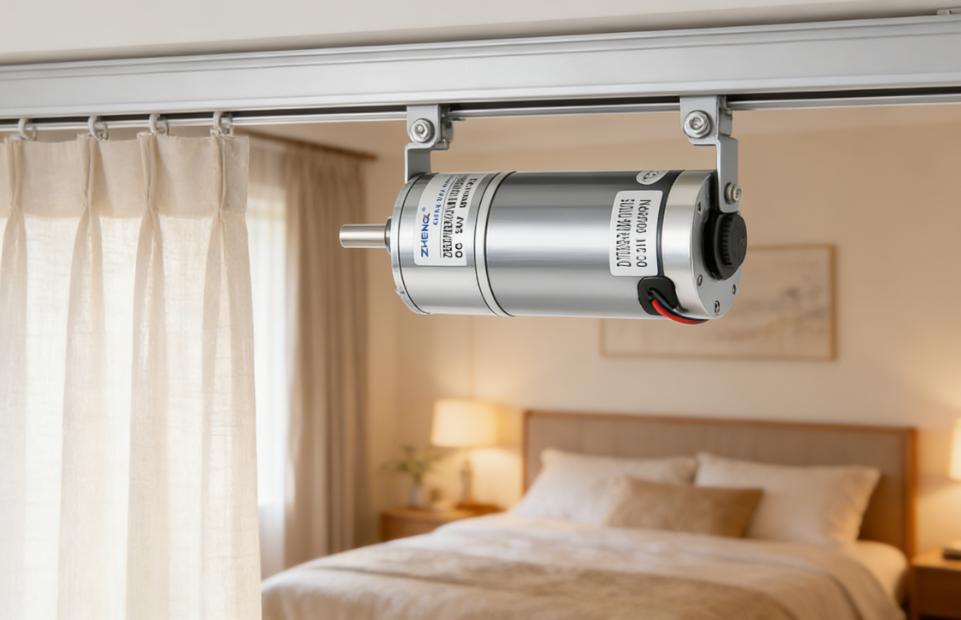
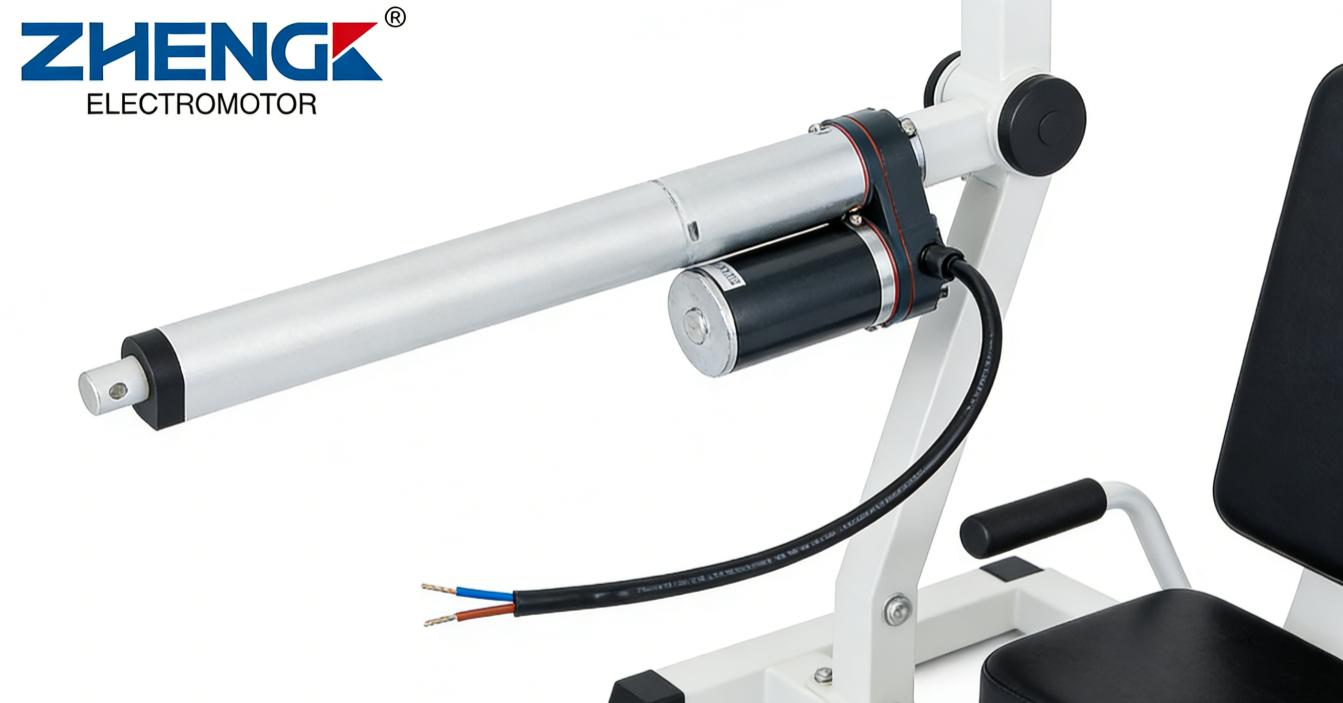
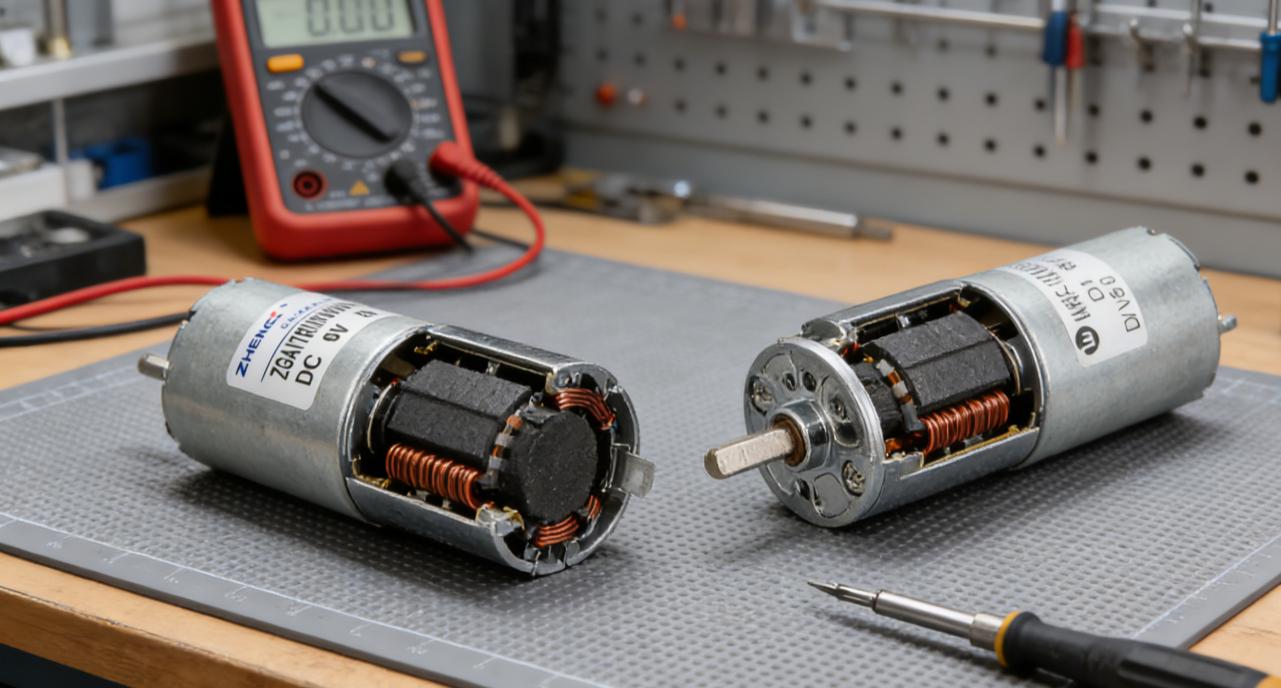
High-torque geared DC motors pair a standard DC motor with a precision gearbox to amplify torque while reducing output speed, a perfect balance for applications that need strong rotational force without high-speed operation. These motors are the go-to choice for compact, load-heavy use cases, and 12V variants are among the most popular for their compatibility with standard low-voltage power supplies. Key traits include:
Torque multiplication: The integrated Motor Gearbox 12v takes the motor's base torque and magnifies it, creating solutions like the 12v Dc Gear Motor High Torque that outperform non-geared DC motors of the same size for load tasks.
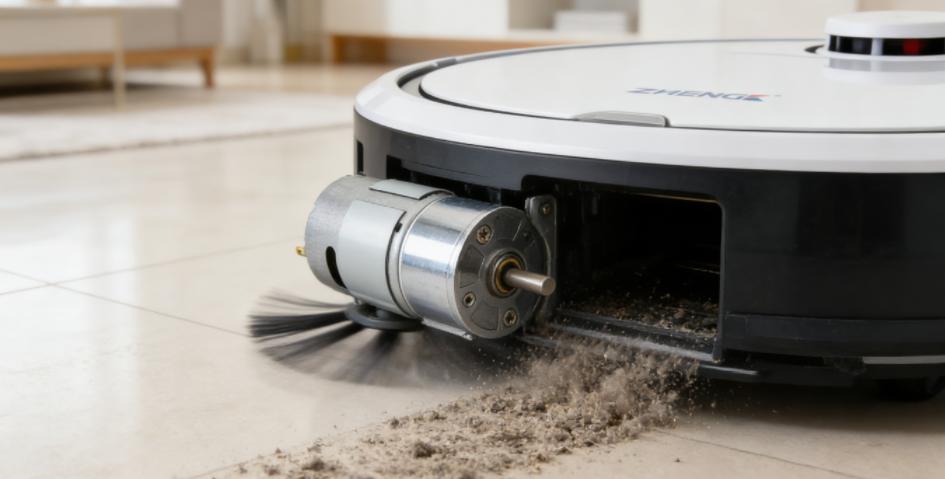
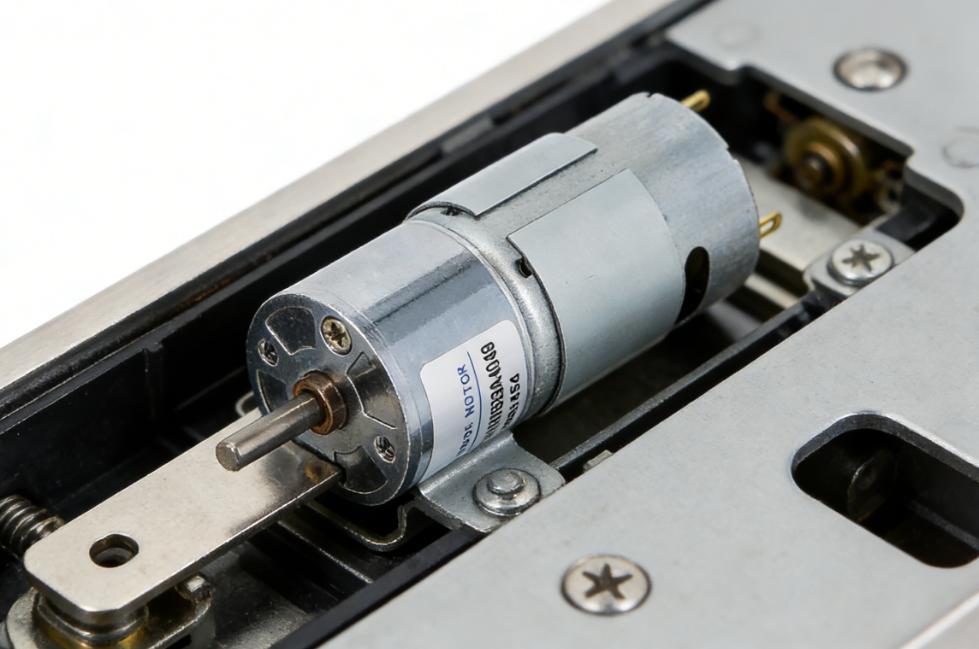
Compact power: Even small models like the Micro Metal Gearmotor deliver impressive torque in a tiny footprint, ideal for space-limited devices like robotic components and small industrial equipment.
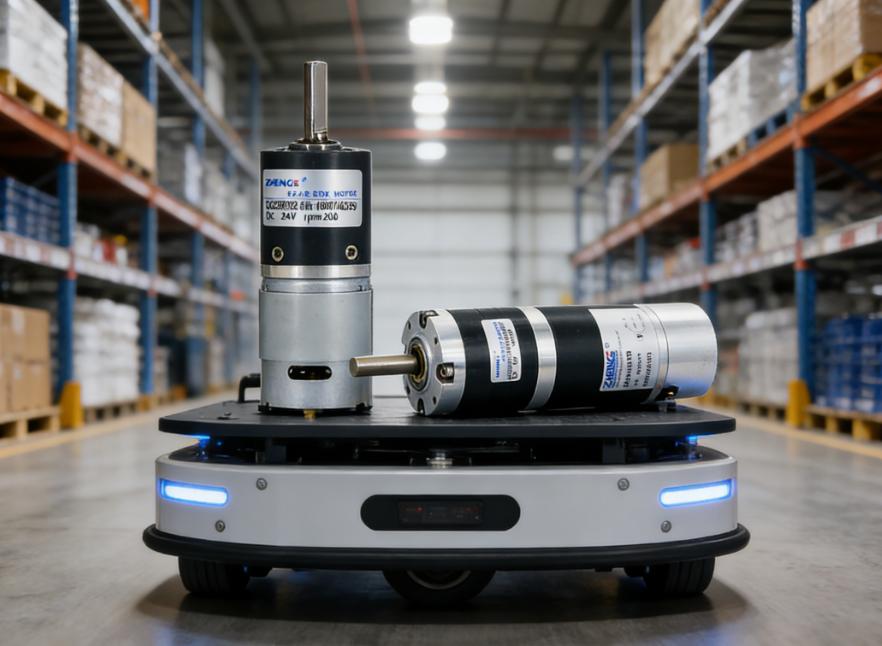
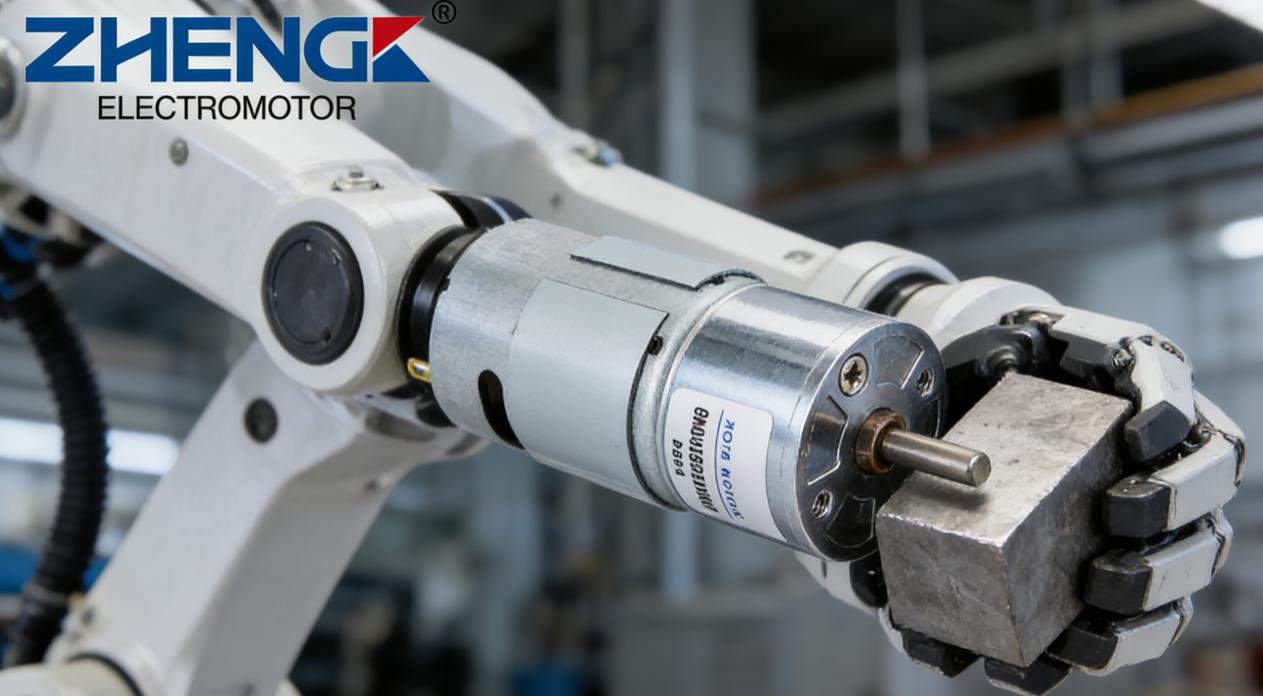
Smooth, stable performance: Geared high-torque DC motors maintain consistent force under load, eliminating stalling and ensuring reliable operation, critical for precision applications such as Robot Gear Motor use cases.
Motor Torque & Geared Motor FAQ
Q: I need a strong but compact motor for a mobile robot. Should I just look for the highest torque number?
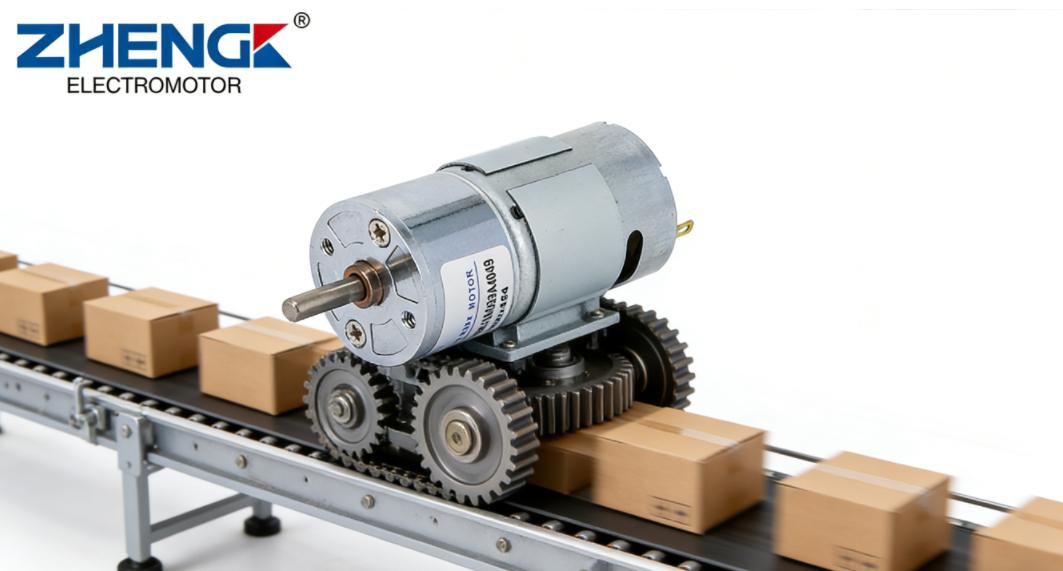
A: While torque is key, balance is crucial. For a mobile robot gear motor, you need sufficient torque to navigate inclines, but also an appropriate speed for mobility. Focus on a motor gearbox 12v unit that offers a good balance of both in your required size. A micro metal gearmotor can deliver surprising torque in a tiny package for small robots.
Q: How does a gearbox create "high torque"? Does the motor itself become stronger?
A: The core motor's torque (often called input torque) remains the same. The gearbox acts as a force multiplier. By reducing the output speed, it proportionally increases the DC gear motor torque at the output shaft. It’s an efficient mechanical way to convert a motor's high-speed, low-force spin into a low-speed, high-force rotation perfect for driving wheels or arms.
Q: For a 12V system, is a "high-torque" motor always the best choice?
A: Not always. A 12v torque motor is ideal when you need to move heavy loads. However, it will draw more current. If your application requires only moderate force but longer runtime from a battery, a standard torque model may be more efficient. Always match the motor's torque curve to your load requirements for optimal performance.